

How it all began: Our first visit to the Bwaise slum in Uganda
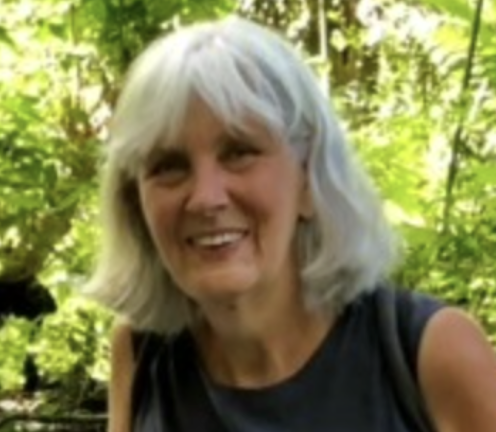
From our 2024 trip to Uganda and our first encounter with Salim Semanbo, the director of an orphanage in the Bwaise slum of Kampala...
Uganda: A country between breathtaking beauty and bitter poverty
In the summer of 2024, my husband Gabriel and I (Michaela Gabrielides) flew to Uganda for five weeks. Armed with backpacks, sleeping mats, sleeping bags, and a tent, we rented a car to explore the country and its people on our own. We discovered beautiful, diverse landscapes and breathtaking animals in their natural habitat. But what captivated us most were the incredibly friendly and open people. They made it easy for us to strike up conversations and were incredibly helpful.
The bitter reality behind the facade
In our conversations, however, we quickly learned about the harsh reality that dominates daily life. Since education is almost always tied to expensive school fees, it remains an unattainable dream for many children. We met young women who often have to care for seven to ten children alone – a daily struggle that often fails despite the children's help.


Children fetching water
Extreme poverty was everywhere we looked: We saw children carrying heavy water canisters for kilometers, and villages where drinking water is drawn from lakes that simultaneously house livestock and are used for washing laundry. The moment we watched people fetching water directly from a puddle in the street was particularly harrowing. Living conditions are also precarious: Often, up to ten people share a tiny hut.
The most painful aspect, however, was the pervasive hunger. I will never forget one experience in the north: an old man wept with joy and jumped for joy when we gave him the equivalent of just €2.50 for food. Never in my life have I seen such genuine hardship.

A typical village in northern Uganda

Inside the hut: a traditional local kitchen
From observer to actor
These experiences left me deeply thoughtful and ashamed. For the first time, I felt that it wasn't enough to simply get to know this wonderful country with its people and animals and then just return to my normal everyday life. From this profound sense of being affected, an urgent need to give something back to the people developed over the course of the trip.
Hope in misery: How we learned about Salim's project in the Bwaise slum in Kampala
While preparing for our trip to Uganda, we learned that guided tours of the Bwaise slum were available in Kampala. Based on our initial impressions of Uganda, we were eager to experience the reality firsthand. However, we initially had reservations about being "wealthy" tourists and witnessing the misery of the poor. But these misgivings quickly subsided when we met our guide, Salim. With him, we were greeted warmly everywhere we went and even invited into some homes, as most people were genuinely pleased that there were people outside of Uganda who cared about their lives.
Salim's fight against hopelessness
Salim grew up in this neighborhood under extremely difficult circumstances and still lives here . He owes his current role as a children's home to a neighbor who took him in and sent him to school. This experience became his motivation: Today, he dedicates himself to helping homeless children and orphans, giving them a real chance at a life free from poverty through education.

Salim and Imran at the Christmas dinner
Back in 2005, he founded a home for orphans and homeless children with the help of volunteers, providing them with a home, food, and education. For a long time, the project was financed through donations and slum tours for tourists. Between 2016 and 2021, Salim was even able to significantly support the home with his salary as a city councilor. However, since the end of his term and the collapse of slum tours due to the COVID-19 pandemic, maintaining the home has become a daily, desperate challenge.
The harsh reality: Survival amidst garbage and floods
Our tour through Bwaise brought home the dire poverty. The sanitation situation is catastrophic: To access clean drinking water from the Coca-Cola-sponsored wells, residents have to buy keys. Those who can't afford it can only collect drinking water from open water sources along the roadside. Twice a year, the situation is exacerbated by the rainy season, when the river overflows its banks and the entire slum, including the houses, is submerged.

Watering hole in the slum: Those who cannot pay must fetch their water here.
Medical care is also unaffordable for the residents. While HIV medication is free, all other treatments are expensive. The result is a shockingly high mortality rate from otherwise easily treatable diseases such as malaria, typhoid, and dysentery. Salim's account of young girls who, out of sheer desperation, prostitute themselves for a handful of rice to feed their children was particularly distressing.
A refuge without means
After visiting two schools and answering countless questions from the children, Salim showed us around the orphanage. Twenty-five children and teenagers live here, all of whom have no one else to care for them. Some are orphans with no relatives to look after them, while others were abandoned by their families because they were no longer able to care for them. If Salim hadn't taken them in, they would have been completely on their own and homeless.

We are sitting with the children in front of the orphanage.

The condition of the accommodations at the time of our visit At that time, not a single child from the orphanage attended school or was in vocational training due to a lack of sponsors. Just securing the rent on a regular basis was a monthly struggle, and providing the children with a small daily meal was a challenge that wasn't always successful. As a result, there were many days when, despite the tireless efforts of those in charge, the children had to go to bed hungry, hoping that there would be money for food the next day. Salim was very distressed by the current situation and asked us to advertise his slum tours or provide any other kind of support. They needed everything they could.
Why we cannot look away
At the end of the tour, Salim and I decided to stay in touch and exchanged contact information. We took the impressions of that day home with us, and they haunted me. The thought that children have to grow up in such a hopeless environment, with no chance of escaping their predetermined path of extreme poverty, crime, drug addiction, and prostitution, has deeply affected me. Yet, there is a group of people there who have dedicated their lives to giving these children hope for a self-determined life. Unfortunately, they lack the means to achieve this on their own. Without outside help, many of these children will not reach adulthood. This thought is unbearable for me.


Comments